4634 16 Ave NW, Calgary · Minutes from Market Mall
 3x XPEL Dealer of the Year
4634 16 Ave NW, Calgary · Minutes from Market Mall
3x XPEL Dealer of the Year

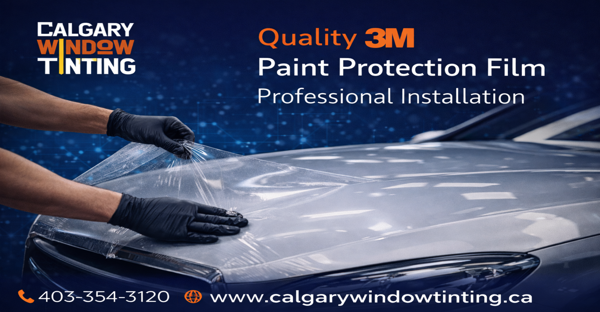
Many vehicle owners focus on the brand of film when choosing protection for their car. Products like 3M are well known for durability and clarity. However, even the best paint protection film can fail if it is installed poorly.
Installation determines how well the film blends with your vehicle’s surface. Poor work leads to bubbles, uneven edges, and early peeling. A skilled installer, on the other hand, creates a smooth and nearly invisible protective layer.
The goal is simple: a durable shield that protects paint from rock chips, road debris, and daily wear while remaining almost impossible to notice. Choosing the right installer for paint protection film Calgary services is the first step toward achieving that result.
Professional installation begins long before the film touches the vehicle. The environment where the work happens plays a major role in the final result. High-quality protection film requires a controlled space where dust and debris are kept away.
A good installer treats the workspace like a detailing studio rather than a regular garage.
Dust Control
Look for a dedicated indoor installation bay. Dust is the biggest enemy during film installation. Even a tiny particle trapped under the film can appear as a visible bump or speck.
Professional shops use clean floors, filtered air, and closed environments to reduce contamination. This careful setup helps ensure a smooth and clear finish.
Organization
A well-organized workspace often reflects the quality of the work itself. Tools should be clean, neatly arranged, and easy to access.
If a shop looks cluttered or rushed, the same approach may carry over into the installation. Skilled installers keep their workstations orderly because precision work demands it.
Explore why 3M paint protection film adhesives matter in freeze–thaw cycles.
Experience matters when applying paint protection film. Each vehicle has different curves, panel gaps, and design elements. Installers improve their skill with every project. Before choosing a shop, ask for proof of their past work. A strong portfolio shows consistency and attention to detail.
Visual Evidence
Request high-resolution photos or ask to see a completed vehicle in person. Clear images should show close-up views of edges, corners, and complex panels. Look for smooth surfaces without bubbles or distortion. A well-installed film should appear almost invisible.
Vehicle Familiarity
Different vehicles require different installation approaches. Sports cars, trucks, and SUVs all have unique body lines.
Make sure the installer has experience with your specific make and model. Familiarity with the vehicle allows the installer to anticipate tricky areas and apply the film more precisely.
Film cutting is one of the most technical parts of installation. The goal is to create pieces that match each panel perfectly without damaging the vehicle’s paint. Professional installers rely on advanced tools to achieve this accuracy.
Pre-Cut Templates
Many professional shops use pattern software developed for 3M paint protection film. These templates are designed specifically for each vehicle model.
Using digital patterns reduces the need for cutting directly on the car. This lowers the risk of accidental paint damage while ensuring a precise fit.
Edges and Tucking
Examine how the installer handles panel edges. High-quality work often includes wrapping the film slightly around the edge of the panel. This technique hides the edge of the film, making the installation look seamless. Large gaps or uneven edges may indicate rushed or inexperienced work.
Certification offers reassurance that the installer meets certain quality standards. When working with products like 3M paint protection film, authorization from the manufacturer is important. It confirms that the installer uses genuine materials and follows proper procedures.
Authorized Status
Ask whether the shop is an authorized dealer or installer for 3M products. Authorized installers receive training and access to official installation resources. This helps ensure the film is authentic and installed correctly.
Warranty Paperwork
A reliable installer should provide official manufacturer warranty documentation. This warranty typically protects against issues such as yellowing, bubbling, or cracking. Without proper paperwork, you may not be able to claim warranty coverage later.
The final stage of installation reveals the true level of craftsmanship. Small details often separate average installers from exceptional ones. Inspecting these details helps you judge the overall quality of the work.
Alignment
Look closely at areas around sensors, cameras, and washer nozzles. These sections require precise cutting and alignment. Cutouts should be centred and clean. Misaligned openings can make even good protection film installations look sloppy.
Stretch Marks
Check the surface for distortion or “silvering.” These marks appear when the film has been stretched too aggressively during installation. A skilled installer applies the film with controlled tension, preserving clarity and maintaining a smooth appearance.
Understand what to inspect after installation.
High-quality film alone does not guarantee great results. Even the best 3M paint protection film depends on the skill and discipline of the installer applying it.
A clean workspace, proven experience, precise cutting methods, proper certification, and careful finishing all point to a professional installation. When these factors come together, the film can deliver years of reliable protection while remaining nearly invisible.
If you want to see what professional standards look like in practice, visit Calgary Window Tinting. Viewing completed installations in person helps you understand the level of detail that goes into protecting your vehicle the right way.
 403-354-3120
  7 Days 7:00 AM - 9:00 PM